Summary
The saving comes from using electricity as it is generated. Here is how self-consumption works and why daytime habits drive the outcome.
What you will learn
- Why self-consumption is the main financial benefit
- How your unit rate shapes the result
- Why standing charges are unaffected
Self-consumption does the work
A plug-in solar kit reduces the electricity you buy from the grid at the moment it is generating. Every kilowatt-hour you use while the sun is out is a kilowatt-hour you did not import at your unit rate.
If nothing in your home is using that electricity, the surplus is not stored and, unless your supplier has confirmed an export arrangement for the system, it does not earn you anything.
Your tariff matters more than the panel rating
Two households with identical kits can see very different results, because the value of avoided import depends on your unit rate in pence per kWh and how much of the generation you actually use.
Standing charges are a fixed daily amount and are not reduced by generating your own electricity.
Want a number for your own home?
Our calculator shows every assumption it uses, and values exported electricity at £0 unless you tell it otherwise.
Open the savings calculatorRelated kits
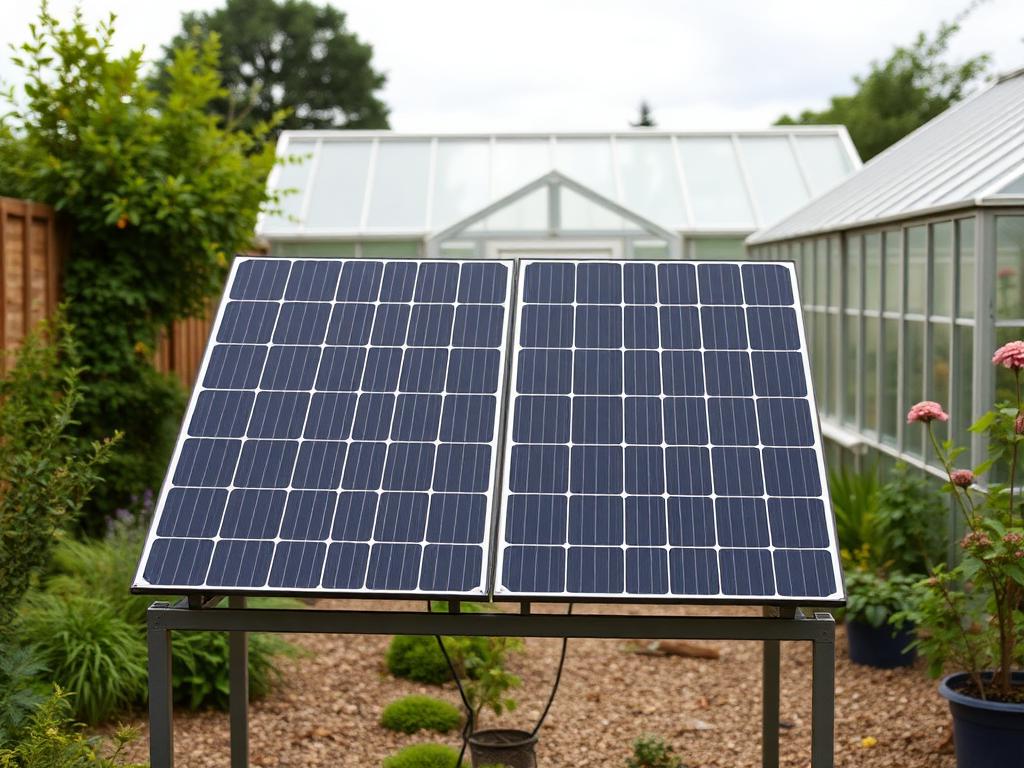 Complete-kit comparisonSponsored placement
UKSOL Plug-In Solar Pro Plus 1030 W Two Panel Hybrid Mount Kit
Model code: UKS-PRO-P-2-1030-MZ1-HYM
- Listed AC output
- 0.8 kW
- Panel capacity
- 1,030 W DC
- Mount
- Hybrid mount
- Recommended space
- Garden
Register reference: UKSOL/21012/V1/A3
Verify live register status· checked 2026-08-24Check latest price